
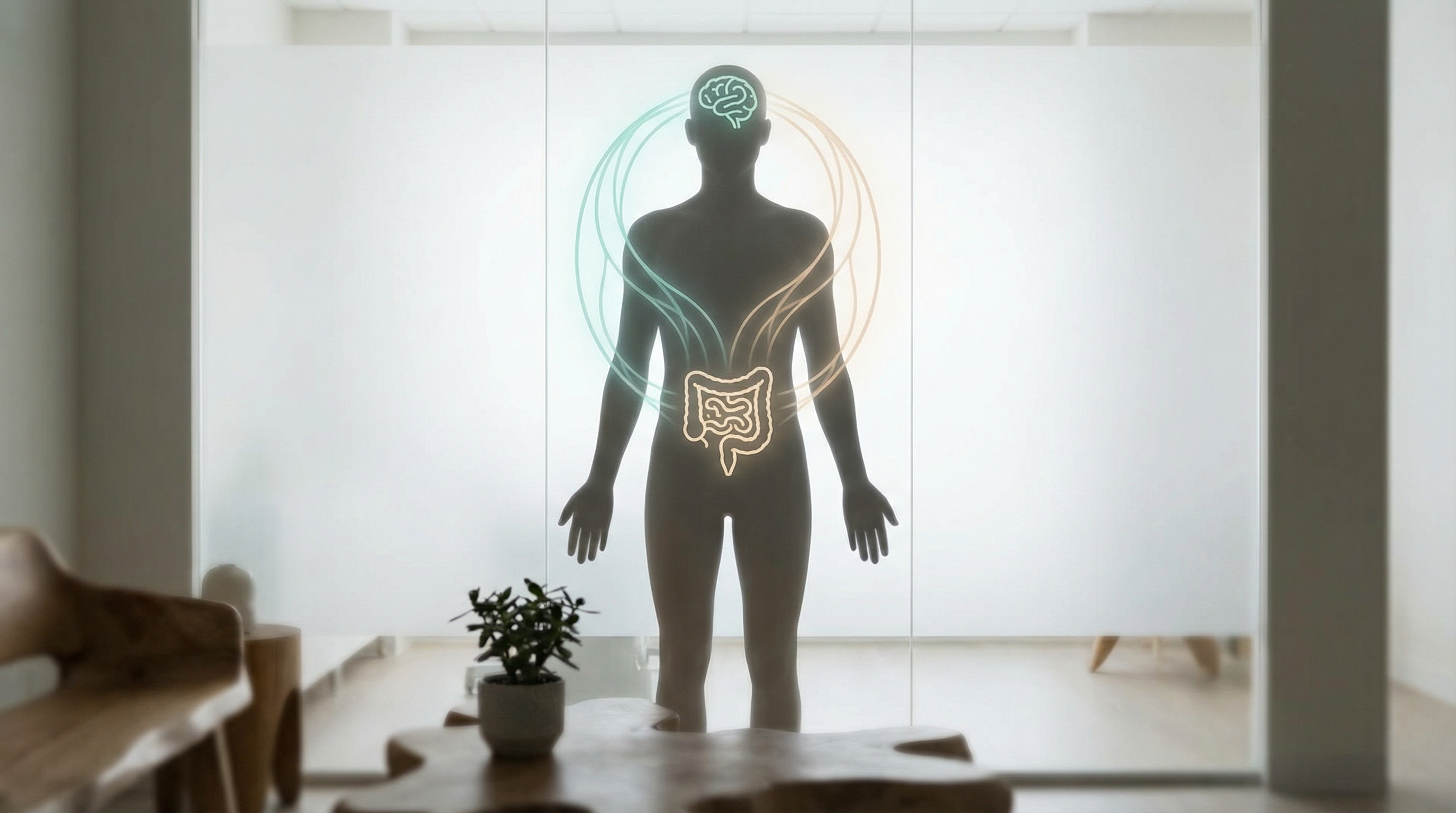
If you have ever felt butterflies before a presentation or experienced a churning stomach during a stressful week, you already know that the gut and brain are deeply connected. What science now reveals is that this relationship runs far deeper than occasional nervous digestion. Your gut microbiome actively influences your mood, anxiety levels and cognitive function through a sophisticated communication network known as the gut-brain axis.
What Is the Gut-Brain Axis?
The gut-brain axis is a bidirectional communication system linking the central nervous system (your brain and spinal cord) with the enteric nervous system (the network of neurons lining your gastrointestinal tract). This connection operates through several pathways:
The vagus nerve — The longest cranial nerve in the body, the vagus nerve acts as a direct information highway between the gut and the brain. Roughly 80 per cent of its fibres carry signals from the gut upward to the brain, meaning your gut is constantly sending status reports to your central nervous system.
Neurotransmitter production — Your gut bacteria produce and regulate key neurotransmitters including serotonin, dopamine and gamma-aminobutyric acid (GABA). Approximately 90 per cent of the body's serotonin — often called the 'happiness hormone' — is manufactured in the gut, not the brain.
The immune system — Around 70 per cent of the immune system resides in the gut. When gut bacteria become imbalanced, the resulting immune activation can trigger systemic inflammation that reaches the brain and affects mood regulation.
Short-chain fatty acids — Beneficial gut bacteria ferment dietary fibre to produce short-chain fatty acids such as butyrate, propionate and acetate. These compounds support the integrity of the blood-brain barrier and have anti-inflammatory effects that protect neural tissue.
How Gut Imbalance Affects Mental Health
When the gut microbiome falls out of balance — a state known as dysbiosis — the consequences extend well beyond digestive discomfort. Research has identified several mechanisms through which poor gut health can contribute to anxiety and mood disorders:
Increased Intestinal Permeability
A compromised gut lining allows bacterial fragments called lipopolysaccharides (LPS) to enter the bloodstream. These endotoxins trigger an immune response that produces pro-inflammatory cytokines, which can cross the blood-brain barrier and interfere with neurotransmitter function.
Reduced Neurotransmitter Production
Specific bacterial strains are responsible for producing precursors to serotonin, dopamine and GABA. When these populations decline due to poor diet, stress or antibiotic use, neurotransmitter production can drop, directly affecting mood and emotional resilience.
HPA Axis Dysregulation
The hypothalamic-pituitary-adrenal (HPA) axis governs the stress response. Gut dysbiosis can lead to an overactive HPA axis, resulting in elevated cortisol levels, heightened anxiety and difficulty recovering from stress.
Chronic Low-Grade Inflammation
An imbalanced microbiome promotes systemic inflammation, which has been consistently linked to depression and anxiety in clinical research. This inflammatory state can alter brain chemistry and reduce the production of brain-derived neurotrophic factor (BDNF), a protein essential for healthy neural connections.
Signs Your Gut May Be Affecting Your Mood
The interplay between gut health and mental wellbeing can manifest in various ways. Consider whether you experience any of the following:
- Persistent anxiety or low mood alongside digestive symptoms such as bloating, constipation or diarrhoea
- Brain fog, difficulty concentrating or poor memory
- Mood changes after eating certain foods
- Worsening of anxiety or depression during or after courses of antibiotics
- Sugar or carbohydrate cravings that feel difficult to control
- Fatigue that does not improve with rest
- Sleep disturbances, particularly difficulty falling asleep or staying asleep
A Functional Medicine Approach to the Gut-Brain Axis
Addressing the gut-brain connection requires a comprehensive strategy that goes beyond symptom management. In functional medicine, we focus on identifying and resolving the root causes of both digestive and mental health concerns.
Step 1: Assess the Microbiome
Advanced stool testing, such as the Microba microbiome analysis, provides detailed insight into bacterial diversity, pathogenic organisms, inflammation markers and digestive function. This data forms the foundation of a targeted treatment plan.
Step 2: Remove Triggers
Identifying and removing factors that disrupt the microbiome is essential. Common triggers include processed foods, excess sugar, alcohol, chronic stress and unnecessary medications.
Step 3: Restore Beneficial Bacteria
Targeted probiotic supplementation with strains shown to support mental health — sometimes called psychobiotics — can help rebalance the microbiome. Strains such as Lactobacillus rhamnosus and Bifidobacterium longum have demonstrated anxiolytic effects in clinical trials.
Step 4: Repair the Gut Lining
Nutrients such as L-glutamine, zinc, omega-3 fatty acids and collagen peptides support the repair of intestinal tight junctions, reducing permeability and the inflammatory cascade that affects the brain.
Step 5: Nourish with Prebiotic Foods
Feeding beneficial bacteria with prebiotic-rich foods — including garlic, onions, leeks, asparagus, Jerusalem artichokes and oats — helps sustain a diverse and resilient microbiome.
Dietary Strategies for a Healthier Gut-Brain Axis
Increase omega-3 fatty acids — Found in oily fish (salmon, mackerel, sardines), walnuts and flaxseeds, omega-3s reduce neuroinflammation and support both gut barrier integrity and brain health.
Eat the rainbow — A diverse range of colourful fruits and vegetables provides polyphenols and antioxidants that nourish beneficial gut bacteria and protect neural tissue.
Prioritise fermented foods — Yoghurt, kefir, sauerkraut, kimchi and miso introduce beneficial bacteria directly into the gut.
Reduce ultra-processed foods — Emulsifiers, artificial sweeteners and preservatives found in processed foods have been shown to disrupt the gut microbiome and increase intestinal permeability.
Include adequate fibre — Aim for 30 grams of fibre daily from diverse sources to produce the short-chain fatty acids that support both gut and brain health.
The Bottom Line
The gut-brain connection is not a fringe theory — it is one of the most active and promising areas of medical research. If you are experiencing anxiety, low mood or cognitive difficulties alongside digestive symptoms, your gut health may be a significant contributing factor. A functional medicine approach that addresses the microbiome, reduces inflammation and supports neurotransmitter production can make a meaningful difference to both your digestive comfort and your mental wellbeing.