
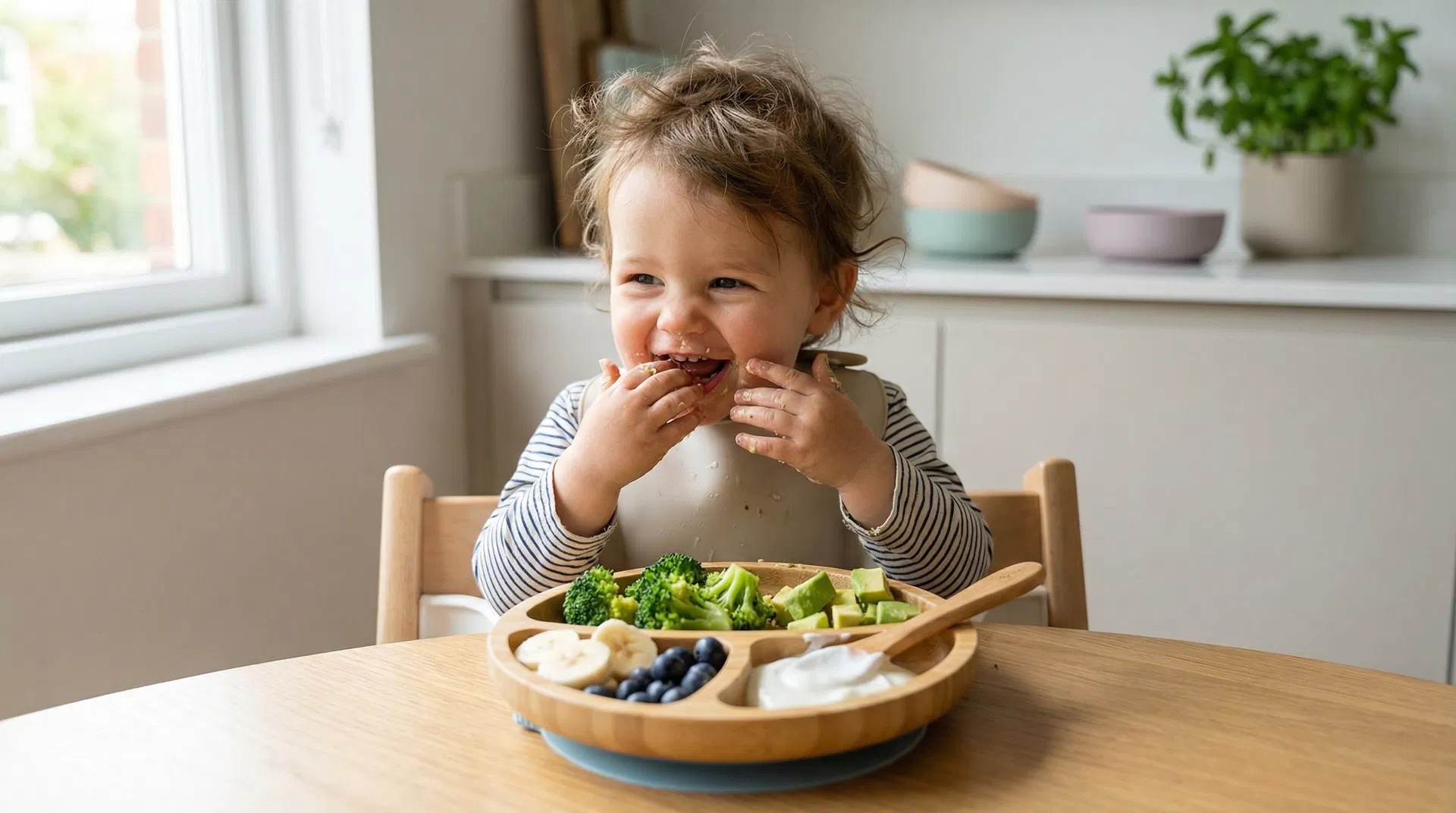
The first 1,000 days of life, from conception to a child's second birthday, represent a critical window for microbiome development. The bacterial communities that colonise a child's gut during this period lay the foundation for their immune system, metabolic health, brain development, and even their susceptibility to chronic disease in adulthood. Understanding how to nurture a child's microbiome is one of the most impactful things a parent can do for their child's long-term health.
How a Child's Microbiome Develops
Contrary to what was believed for decades, microbiome colonisation does not begin at birth. Emerging research suggests that microbial exposure may start in utero, with bacteria detected in the placenta, amniotic fluid, and meconium. However, the most significant colonisation event occurs during and immediately after birth.
The Role of Birth Method
The method of delivery has a profound impact on a baby's initial microbial colonisation. During a vaginal birth, the baby is exposed to the mother's vaginal and intestinal bacteria, primarily Lactobacillus and Bifidobacterium species. These bacteria rapidly colonise the infant's gut and begin training the immune system.
Babies born by caesarean section miss this initial exposure and are instead colonised by bacteria from the hospital environment and the mother's skin, predominantly Staphylococcus, Streptococcus, and Clostridium species. Research consistently shows that C-section babies have lower microbial diversity in the first months of life and a delayed establishment of Bifidobacterium populations.
| Factor | Vaginal Birth | Caesarean Birth | | :--- | :--- | :--- | | Initial colonisers | Lactobacillus, Bifidobacterium, Bacteroides | Staphylococcus, Streptococcus, Clostridium | | Microbial diversity at 1 month | Higher | Lower | | Bifidobacterium establishment | Rapid, within days | Delayed, often by weeks to months | | Immune priming | Earlier and more robust | Delayed, potentially less diverse | | Associated risks | Baseline | Increased risk of asthma, allergies, obesity in some studies |
It is important to emphasise that a caesarean birth does not doom a child to poor gut health. There are many effective strategies to support microbial colonisation after a C-section, and by the age of two to three, most children's microbiomes converge regardless of birth method.
Breastfeeding and the Microbiome
Breast milk is far more than nutrition. It is a sophisticated biological system designed to shape the infant microbiome. Breast milk contains over 200 different human milk oligosaccharides (HMOs), complex sugars that the baby cannot digest but that serve as prebiotic fuel for beneficial Bifidobacterium species in the infant gut.
Breast milk also contains live bacteria, immunoglobulins, and antimicrobial compounds that actively shape which species colonise the gut. Exclusively breastfed infants typically have a microbiome dominated by Bifidobacterium, which is associated with stronger immune development and lower rates of infection, allergy, and autoimmune disease.
Formula-fed infants develop a more diverse but less Bifidobacterium-dominant microbiome. Modern infant formulas increasingly include prebiotics (GOS and FOS) and, in some cases, probiotics to help bridge this gap, though they cannot fully replicate the complexity of breast milk.
The First 1,000 Days: A Window of Opportunity
The period from birth to age two is characterised by rapid microbial succession. The microbiome transitions from a simple, low-diversity community dominated by a few species to a complex, adult-like ecosystem. Several key milestones shape this development.
Introduction of Solid Foods
The introduction of complementary foods, typically between four and six months, triggers a dramatic shift in the microbiome. New bacterial species begin to colonise the gut as the child encounters different fibres, starches, and plant compounds. This is a critical period for establishing microbial diversity.
Research suggests that the variety of foods introduced during weaning has a lasting impact on microbiome composition. Children exposed to a wide range of fruits, vegetables, legumes, and whole grains during weaning develop more diverse and resilient microbiomes than those fed a limited diet.
The Hygiene Hypothesis and Microbial Exposure
The hygiene hypothesis, now more accurately called the 'old friends' hypothesis, proposes that reduced microbial exposure in modern life contributes to the rising rates of allergies, asthma, and autoimmune conditions in children. Children who grow up on farms, have pets, play outdoors in soil, and have siblings tend to have more diverse microbiomes and lower rates of allergic disease.
This does not mean abandoning basic hygiene. Rather, it means recognising that some microbial exposure is beneficial and that an overly sanitised environment may deprive a child's developing immune system of the training it needs.
Threats to a Child's Microbiome
Several common factors in modern life can disrupt a child's developing microbiome. Being aware of these threats allows parents to make informed decisions.
Antibiotics in Early Life
Antibiotics are sometimes necessary and can be life-saving. However, their impact on the developing microbiome is significant. A single course of antibiotics can reduce microbial diversity by up to 30 percent, and some species may take months or even years to recover. Studies have linked early antibiotic exposure to increased risks of asthma, allergies, obesity, and inflammatory bowel disease later in life.
When antibiotics are genuinely needed, supporting the child's microbiome during and after treatment becomes especially important. Probiotic supplementation, particularly with Saccharomyces boulardii and Lactobacillus rhamnosus GG, has been shown to reduce antibiotic-associated diarrhoea in children and support faster microbiome recovery.
Ultra-Processed Foods
The modern Western diet, high in ultra-processed foods, refined sugars, and additives, is one of the greatest threats to children's gut health. Emulsifiers, artificial sweeteners, and preservatives found in many children's snacks and convenience foods have been shown to damage the gut barrier and reduce microbial diversity.
A study published in the journal Gut found that children consuming a diet high in ultra-processed foods had significantly lower levels of beneficial Bifidobacterium and higher levels of pro-inflammatory bacteria compared to children eating a whole-food diet.
Chronic Stress
Even young children experience stress, whether from family disruption, school pressures, or overscheduling. The gut-brain axis is active from infancy, and chronic stress in childhood can alter microbiome composition, increase gut permeability, and impair immune development.
Practical Strategies to Support Your Child's Gut Health
The good news is that the developing microbiome is remarkably responsive to positive interventions. Here are evidence-based strategies for every stage of childhood.
For Newborns and Infants (0 to 12 Months)
* Breastfeed if possible: Even partial breastfeeding provides significant microbiome benefits. If formula feeding is necessary, choose a formula with added prebiotics (GOS/FOS). * Skin-to-skin contact: Regular skin-to-skin contact transfers beneficial bacteria from parent to baby. * Avoid unnecessary antibiotics: Always discuss with your paediatrician whether antibiotics are truly necessary. For viral infections, antibiotics are ineffective and only harm the microbiome. * Consider probiotics after C-section or antibiotics: Infant-specific probiotics containing Bifidobacterium infantis or Lactobacillus rhamnosus GG can support colonisation. * Allow some mess: Letting babies explore their environment, including supervised contact with pets and outdoor surfaces, supports microbial diversity.
For Toddlers (1 to 3 Years)
* Offer diverse whole foods: Aim for variety over quantity. Introduce a wide range of vegetables, fruits, legumes, and whole grains. * Include prebiotic-rich foods: Bananas, oats, sweet potatoes, garlic, onions, and asparagus are excellent prebiotic sources for toddlers. * Introduce fermented foods gradually: Small amounts of natural yoghurt, kefir, or mild sauerkraut can support microbial diversity. * Limit ultra-processed snacks: Replace packaged snacks with whole-food alternatives as much as possible. * Encourage outdoor play: Time spent in nature, gardens, and parks exposes children to diverse environmental microbes.
For Older Children (3 to 12 Years)
* Maintain dietary diversity: Continue to prioritise a wide variety of plant foods. The 30-plants-per-week target applies to children too, adjusted for portion size. * Teach gut-friendly habits: Help children understand why whole foods matter and involve them in cooking and food preparation. * Manage screen time and stress: Ensure adequate physical activity, sleep, and downtime. Chronic stress and sedentary behaviour both negatively affect the microbiome. * Support [immune health](/resources/articles/gut-health-immune-system/) through the gut: Seventy percent of the immune system resides in the gut. A healthy microbiome is the foundation of strong immunity.
Signs Your Child May Have Gut Health Issues
Children cannot always articulate what they are feeling, so parents need to watch for signs that may indicate gut health problems. These include:
* Frequent tummy aches or abdominal pain. * Chronic constipation or loose stools. * Excessive gas or bloating. * Recurrent ear infections, colds, or respiratory infections. * Eczema, hives, or other skin conditions. * Food sensitivities or unexplained reactions to foods. * Behavioural changes, difficulty concentrating, or mood disturbances. * Poor growth or unexplained weight changes.
If your child is experiencing any of these symptoms persistently, a functional approach that investigates gut health can often identify underlying causes that conventional testing may miss.
Frequently Asked Questions
Can probiotics help my child's eczema?
There is growing evidence that specific probiotic strains can help manage childhood eczema, particularly when the condition is linked to gut dysbiosis or food sensitivities. Lactobacillus rhamnosus GG and Bifidobacterium lactis are among the most studied strains for paediatric eczema. However, probiotics work best as part of a comprehensive approach that also addresses diet, gut barrier health, and potential food triggers.
My child was born by C-section. Is their gut health permanently affected?
No. While C-section birth does affect initial microbial colonisation, the microbiome is remarkably adaptable. With breastfeeding, appropriate probiotic support, diverse weaning foods, and a healthy lifestyle, most C-section babies develop a robust and diverse microbiome by age two to three. Early intervention is beneficial but the window for positive influence remains open throughout childhood.
How do I know if my child needs a probiotic supplement?
Probiotic supplementation is most beneficial after antibiotic treatment, following a gastrointestinal infection, for children with recurrent digestive symptoms, or for those born by C-section. For generally healthy children eating a varied diet, probiotic-rich foods like yoghurt and kefir may be sufficient. If you are unsure, a practitioner can help assess whether supplementation would be beneficial for your child's specific situation.
Are there any risks to giving children fermented foods?
For most children, fermented foods are safe and beneficial when introduced gradually and in age-appropriate portions. Start with mild options like natural yoghurt or kefir and introduce stronger flavours like sauerkraut or miso as the child grows. If your child has a known histamine sensitivity or specific medical condition, consult a practitioner before introducing fermented foods.
What is the best diet for a child's gut health?
The best diet for a child's gut health is one that is rich in whole, minimally processed foods with a wide variety of plant-based foods. Aim for colourful fruits and vegetables, whole grains, legumes, nuts and seeds (age-appropriate), quality proteins, and healthy fats. Limiting ultra-processed foods, refined sugars, and artificial additives is equally important. The diversity of the diet matters more than any single superfood.
Take the Next Step
Your child's gut health today shapes their health for decades to come. Whether you are navigating the early months of life, managing a child with digestive symptoms, or simply wanting to give your child the best possible start, understanding the microbiome is empowering. If you have concerns about your child's gut health or want personalised guidance, book a discovery call with Elena to discuss how we can support your family. You can also explore our digestive health services to learn more about our approach to gut health at every age.