
If you have been diagnosed with irritable bowel syndrome (IBS) or experience chronic bloating, abdominal pain, and altered bowel habits, you may have heard of the low FODMAP diet. Developed by researchers at Monash University in Australia, this dietary approach has become one of the most evidence-based strategies for managing IBS symptoms. Studies consistently show that 70 to 75 per cent of IBS patients experience significant symptom improvement when following the diet correctly.
What Are FODMAPs?
FODMAP stands for Fermentable Oligosaccharides, Disaccharides, Monosaccharides, and Polyols. These are short-chain carbohydrates that are poorly absorbed in the small intestine and rapidly fermented by bacteria in the large intestine, producing gas, drawing water into the bowel, and causing the bloating, pain, and altered motility that characterise IBS.
| FODMAP Type | Full Name | Found In | | :--- | :--- | :--- | | Oligosaccharides | Fructans and GOS | Wheat, rye, onion, garlic, legumes | | Disaccharides | Lactose | Milk, soft cheese, yoghurt, ice cream | | Monosaccharides | Excess fructose | Apples, pears, mango, honey, agave | | Polyols | Sorbitol and mannitol | Stone fruits, mushrooms, cauliflower, sugar-free gum |
It is important to understand that FODMAPs are not inherently unhealthy. Many high-FODMAP foods are excellent prebiotics that feed beneficial gut bacteria. The low FODMAP diet is a therapeutic tool, not a permanent way of eating.
The Three Phases of the Low FODMAP Diet
The low FODMAP diet is not simply a list of foods to avoid forever. It is a structured three-phase process designed to identify your individual triggers while maintaining the broadest possible diet.
Phase 1: Elimination (2 to 6 Weeks)
During the elimination phase, all high-FODMAP foods are removed from the diet simultaneously. This reduces the overall fermentable load in the gut and allows symptoms to settle. Most patients notice significant improvement within two to three weeks.
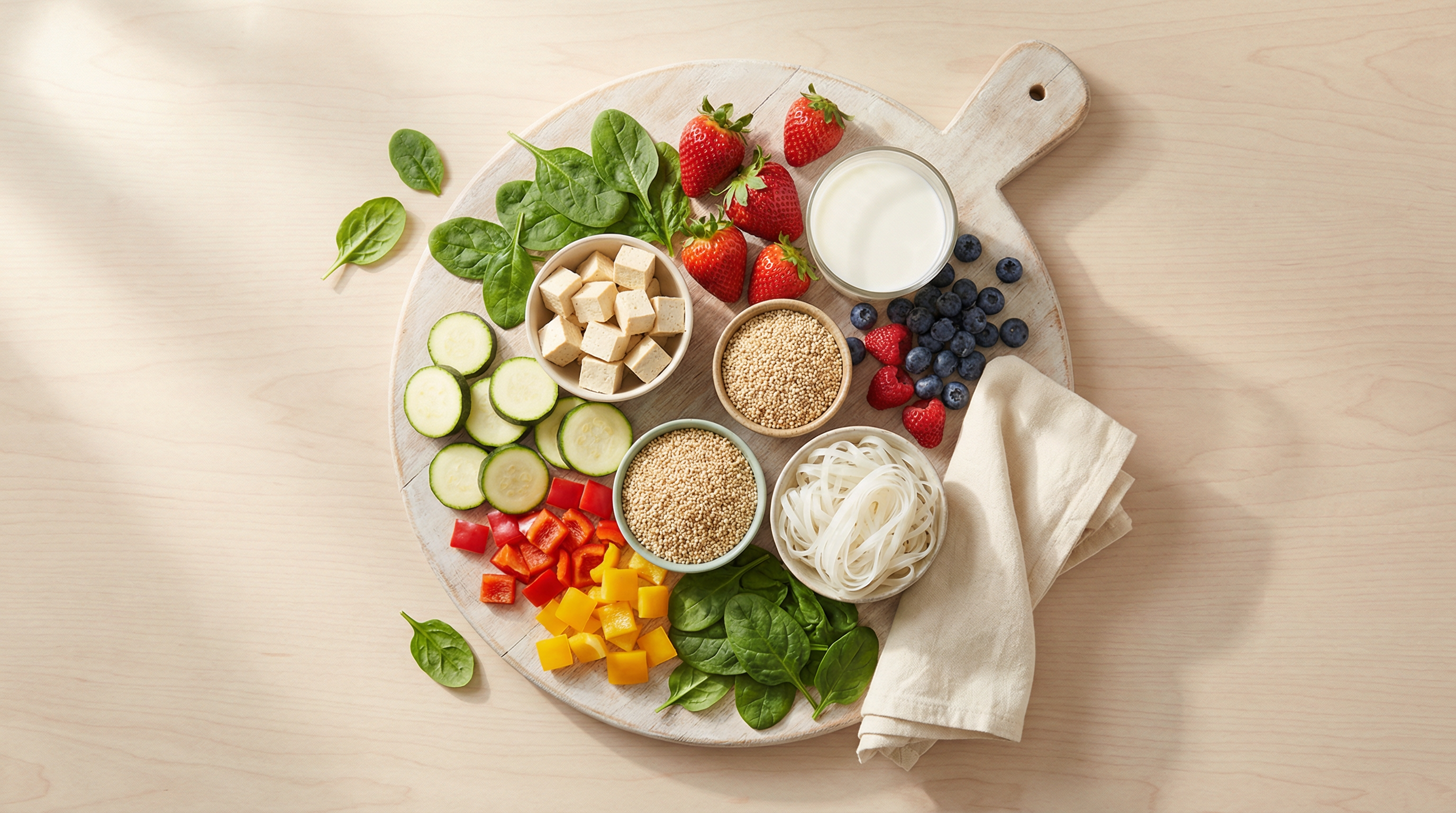
Low FODMAP foods to enjoy freely: Rice, oats, quinoa, potatoes, carrots, courgette, spinach, cucumber, tomatoes, strawberries, blueberries, oranges, grapes, chicken, fish, eggs, firm tofu, lactose-free dairy, and most nuts and seeds.
High FODMAP foods to avoid: Wheat-based bread and pasta, onion, garlic, apples, pears, watermelon, milk, soft cheese, honey, legumes, mushrooms, cauliflower, and sugar-free products containing polyols.
A critical point: the elimination phase should last no longer than six weeks. Prolonged restriction can reduce microbiome diversity and lead to nutritional deficiencies.
Phase 2: Reintroduction (6 to 8 Weeks)
The reintroduction phase is the most important and most commonly skipped part of the diet. Each FODMAP subgroup is tested individually over three days, starting with a small portion and increasing to a normal serving size.
Reintroduction protocol for each FODMAP group:
Day 1: Small portion (e.g., half a tablespoon of honey for fructose). Day 2: Medium portion (e.g., one tablespoon). Day 3: Large or normal portion (e.g., one and a half tablespoons). Then allow two to three washout days before testing the next group.
Record symptoms carefully during each challenge. A food diary is essential during this phase. The goal is to identify which specific FODMAP groups trigger your symptoms and at what threshold dose.
Phase 3: Personalisation (Ongoing)
Based on your reintroduction results, you create a personalised long-term diet that avoids only your specific triggers at your threshold doses while including all well-tolerated FODMAPs. This ensures maximum dietary variety and supports long-term gut microbiome health.
Common Mistakes on the Low FODMAP Diet
Having guided hundreds of patients through this process, I see the same mistakes repeatedly:
Staying in elimination too long. Many people feel better during elimination and are afraid to reintroduce foods. This leads to an unnecessarily restricted diet that can harm the microbiome and create nutritional gaps.
Not testing each FODMAP group separately. Reintroducing multiple FODMAPs at once makes it impossible to identify individual triggers. Each group must be tested in isolation.
Ignoring portion sizes. FODMAP sensitivity is dose-dependent. You may tolerate small amounts of a trigger food but react to larger portions. Understanding your threshold is key to dietary freedom.
Focusing only on food. Stress, poor sleep, and lack of physical activity all affect gut motility and sensitivity. Addressing these factors alongside dietary changes produces far better outcomes.
Not addressing the root cause. The low FODMAP diet manages symptoms but does not treat the underlying cause of IBS. Conditions like SIBO, dysbiosis, food sensitivities, and gut infections should be investigated and treated alongside dietary management.
The Low FODMAP Diet and the Microbiome
One of the most important considerations with the low FODMAP diet is its impact on the gut microbiome. Research has shown that the elimination phase can reduce populations of beneficial bacteria, particularly Bifidobacterium species, which thrive on the very prebiotic fibres that are being restricted.
This is why the diet must be temporary and why reintroduction is non-negotiable. It is also why I often recommend a targeted probiotic during the elimination phase to help maintain microbial diversity.
Who Should Try the Low FODMAP Diet?
The low FODMAP diet is most appropriate for people with a confirmed diagnosis of IBS, functional bloating, or functional abdominal pain. It is not recommended as a first-line approach for everyone with digestive symptoms, as many conditions, including coeliac disease, inflammatory bowel disease, and SIBO, require different treatment strategies.
A thorough assessment with a qualified practitioner can help determine whether the low FODMAP diet is appropriate for you or whether other approaches would be more effective.
Frequently Asked Questions
How quickly does the low FODMAP diet work?
Most patients notice significant improvement in bloating and abdominal pain within two to three weeks of starting the elimination phase. Some people respond within days, while others may take the full six weeks to see maximum benefit.
Can I follow the low FODMAP diet as a vegetarian or vegan?
Yes, but it requires more careful planning. Many plant-based protein sources such as legumes and certain grains are high in FODMAPs. Low FODMAP plant proteins include firm tofu, tempeh, quinoa, and canned lentils (which have lower FODMAP content than dried). Working with a practitioner experienced in both plant-based nutrition and FODMAPs is advisable.
Is the low FODMAP diet safe long-term?
The full elimination phase is not safe or recommended long-term due to its impact on microbiome diversity and nutritional adequacy. However, the personalised phase, where only your specific triggers are limited, can be followed indefinitely and is nutritionally complete.
Can children follow the low FODMAP diet?
The low FODMAP diet can be adapted for children with IBS, but it should only be done under the guidance of a paediatric dietitian or qualified practitioner. Children have different nutritional requirements, and unnecessary restriction can affect growth and development.
Does the low FODMAP diet cure IBS?
The low FODMAP diet does not cure IBS, but it is one of the most effective tools for managing symptoms. True resolution of IBS often requires addressing the underlying causes, which may include SIBO, dysbiosis, stress, or gut infections, alongside dietary management.
Take the Next Step
The low FODMAP diet can be transformative when done correctly, but navigating it alone can be confusing and lead to unnecessary restriction. If you want expert guidance through the three phases with a personalised approach tailored to your specific symptoms and triggers, book a discovery call with Elena. You can also explore our gut health services to learn about the comprehensive testing and support available.