
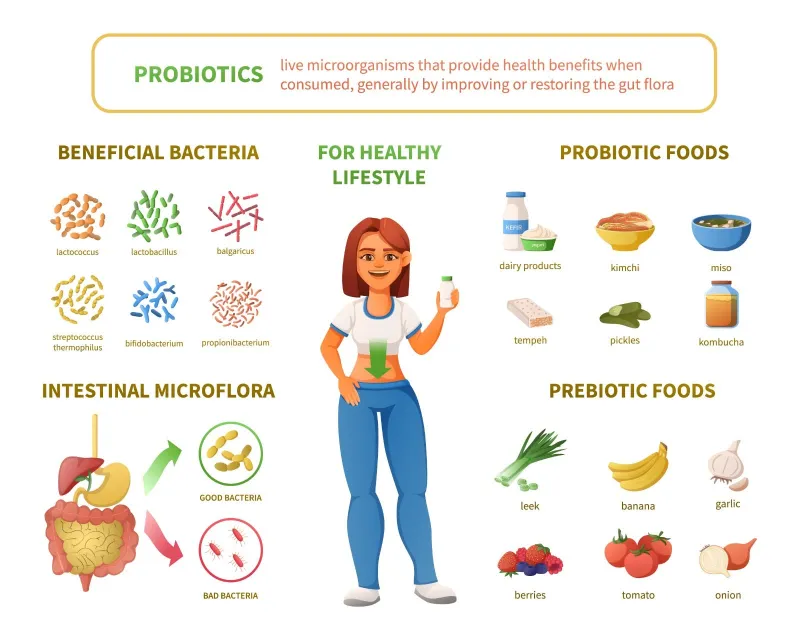
While probiotics often steal the spotlight, prebiotics are equally important for gut health. Think of prebiotics as the food that nourishes your beneficial gut bacteria, helping them thrive and multiply. Without adequate prebiotic intake, even the best probiotic supplements may not deliver optimal results.
What Are Prebiotics?
Prebiotics are types of dietary fibre that the human body cannot digest. Instead, they travel to the lower digestive tract where they serve as food for beneficial gut bacteria. When these bacteria ferment prebiotics, they produce short-chain fatty acids (SCFAs) like butyrate, which have numerous health benefits.
The Science Behind Prebiotics
When you consume prebiotic fibres, they pass through your stomach and small intestine undigested. In your large intestine, your beneficial bacteria ferment these fibres, producing:
Butyrate — The primary fuel source for colon cells, supporting gut lining integrity
Acetate — Helps regulate appetite and supports metabolic health
Propionate — Influences cholesterol metabolism and glucose regulation
Top Prebiotic Foods
Incorporating these foods into your diet can significantly boost your prebiotic intake:
Garlic — Contains inulin and fructooligosaccharides (FOS). Raw garlic provides the most prebiotic benefit.
Onions — Rich in inulin and FOS. Both raw and cooked onions offer prebiotic benefits.
Leeks — Part of the allium family, leeks are excellent sources of inulin.
Asparagus — Contains inulin and is particularly beneficial when eaten raw or lightly cooked.
Jerusalem artichokes — One of the richest sources of inulin, also known as sunchokes.
Chicory root — Contains up to 65% inulin by weight, often used in prebiotic supplements.
Bananas — Especially slightly underripe bananas, which contain resistant starch.
Oats — Contain beta-glucan, a prebiotic fibre with additional cholesterol-lowering benefits.
How Much Prebiotic Fibre Do You Need?
Most experts recommend consuming 5-10 grams of prebiotic fibre daily for optimal gut health. However, if you're not used to eating high-fibre foods, it's important to increase your intake gradually to avoid digestive discomfort.
Prebiotics and Probiotics: Better Together
Prebiotics and probiotics work synergistically. When you consume both together, you're providing beneficial bacteria AND the food they need to thrive. This combination is sometimes called 'synbiotics.'
For example, eating yoghurt (probiotic) with sliced banana (prebiotic) creates a synbiotic meal that supports gut health on multiple levels. Incorporating more fermented foods alongside prebiotic-rich meals amplifies this effect.
Signs You May Need More Prebiotics
- Irregular bowel movements
- Bloating or gas (though initially, increasing prebiotics may temporarily increase these)
- Frequent sugar cravings
- Low energy levels
- Weakened immune function
Cautions and Considerations
While prebiotics are generally beneficial, some people may need to be cautious:
FODMAP sensitivity — Many prebiotic foods are high in FODMAPs, which can trigger bloating and digestive discomfort in people with IBS. Working with a practitioner to identify your tolerance levels is important.
Start slowly — Rapidly increasing prebiotic intake can cause bloating, gas, and discomfort. Increase gradually over several weeks.
Individual variation — Everyone's gut microbiome is unique. What works well for one person may not work for another.
The Bottom Line
Prebiotics are a crucial but often overlooked component of gut health. By nourishing your beneficial bacteria with prebiotic-rich foods, you create an environment where good bacteria can flourish. Combined with probiotic foods or supplements, prebiotics form the foundation of a healthy gut ecosystem.