
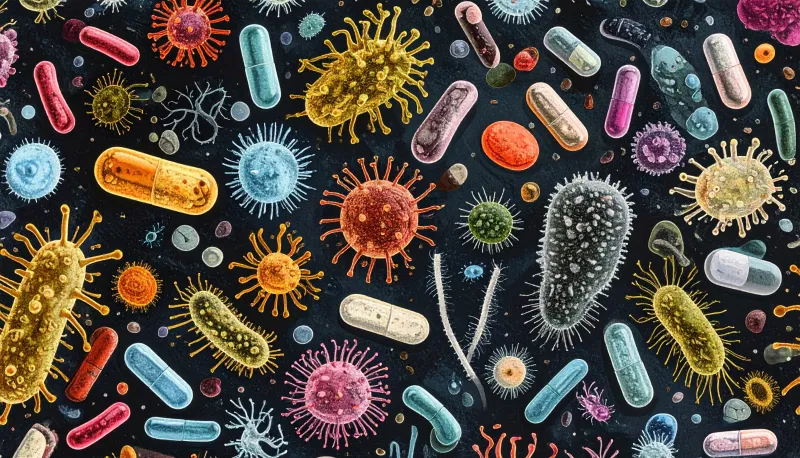
Antibiotics are life-saving medications that have revolutionised medicine. However, they come with a significant downside: they don't discriminate between harmful bacteria and the beneficial bacteria that keep your gut healthy. Understanding this impact — and knowing how to mitigate it — is crucial for anyone who needs antibiotic treatment.
How Antibiotics Affect Your Gut
When you take antibiotics, they work by killing bacteria or preventing them from reproducing. Unfortunately, this includes the trillions of beneficial bacteria in your gut. Research shows that:
- A single course of antibiotics can reduce gut bacterial diversity by up to 30%
- Some bacterial species may take months or even years to recover
- Certain antibiotics have more severe effects than others
- Repeated antibiotic use compounds the damage
Short-Term Effects
During and immediately after antibiotic treatment, you may experience:
- Diarrhoea (antibiotic-associated diarrhoea affects up to 30% of people)
- Bloating and gas
- Nausea
- Yeast overgrowth (thrush)
- Changes in appetite
Long-Term Consequences
The effects of antibiotics can persist long after you've finished the course:
Reduced diversity — A less diverse microbiome is associated with various health issues, from digestive problems to weakened immunity.
Opportunistic overgrowth — When beneficial bacteria are depleted, harmful bacteria and yeasts can take over.
Antibiotic resistance — Surviving bacteria may develop resistance, making future infections harder to treat.
Increased disease risk — Research links antibiotic use to increased risk of obesity, allergies, and autoimmune conditions.
Protecting Your Gut During Antibiotic Treatment
If you need antibiotics, these strategies can help minimise damage:
Take Probiotics
Research strongly supports taking probiotics during antibiotic treatment:
- Take probiotics at least 2 hours apart from antibiotics
- Continue for at least 2-4 weeks after finishing antibiotics
- Saccharomyces boulardii is particularly effective as it's a yeast and isn't affected by antibiotics
- Multi-strain probiotics with Lactobacillus and Bifidobacterium species are also beneficial
Support with Prebiotics
Prebiotic foods help beneficial bacteria recover:
- Garlic, onions, and leeks
- Asparagus and Jerusalem artichokes
- Oats and bananas
Eat Fermented Foods
Fermented foods provide additional beneficial bacteria:
- Yoghurt with live cultures
- Kefir
- Sauerkraut and kimchi
- Kombucha
Avoid Gut Irritants
During and after antibiotic treatment, minimise:
- Alcohol
- Processed foods
- Excessive sugar
- Artificial sweeteners
Restoring Your Gut After Antibiotics
Recovery takes time and intentional effort:
Continue probiotics — For at least 1-3 months after finishing antibiotics.
Eat diverse plant foods — Aim for 30+ different plant foods per week to support bacterial diversity.
Consider testing — Stool testing can identify specific imbalances that need addressing.
Be patient — Full microbiome recovery can take 6-12 months or longer.
When Antibiotics Are Necessary
It's important to note that antibiotics are sometimes essential and life-saving. The goal isn't to avoid them entirely but to:
- Use them only when truly necessary
- Choose the narrowest-spectrum antibiotic that will work
- Take steps to protect and restore your gut
- Work with healthcare providers who understand the importance of gut health
The Bottom Line
Antibiotics are powerful tools that should be used judiciously. When you do need them, taking proactive steps to protect your gut can significantly reduce both short-term side effects and long-term consequences. If you've had multiple courses of antibiotics and are experiencing ongoing gut issues — including symptoms of leaky gut — comprehensive testing and a targeted restoration protocol can help you rebuild a healthy microbiome.