
Fibre is often called the most important nutrient for gut health, yet most people fall far short of recommended intakes. Understanding the different types of fibre, their unique benefits, and how to increase your intake can transform your digestive health and overall wellbeing.
What Is Fibre?
Fibre is the part of plant foods that your body cannot digest. Unlike proteins, fats, and carbohydrates, fibre passes through your digestive system relatively intact. But far from being useless, this indigestible material plays crucial roles in gut health.
Types of Fibre
Soluble Fibre
Soluble fibre dissolves in water to form a gel-like substance. It's found in:
- Oats and barley
- Beans and lentils
- Apples and citrus fruits
- Psyllium husk
Benefits include:
- Slowing digestion and promoting fullness
- Helping regulate blood sugar
- Lowering cholesterol
- Feeding beneficial gut bacteria
Insoluble Fibre
Insoluble fibre doesn't dissolve in water. It's found in:
- Whole grains
- Nuts and seeds
- Vegetables (especially skins)
- Wheat bran
Benefits include:
- Adding bulk to stool
- Promoting regular bowel movements
- Preventing constipation
- Supporting colon health
Resistant Starch
A special type of fibre that 'resists' digestion and acts as a powerful prebiotic:
- Cooked and cooled potatoes, rice, and pasta
- Green bananas
- Legumes
- Whole grains
Benefits include:
- Powerful prebiotic effects
- Produces beneficial short-chain fatty acids
- Supports blood sugar regulation
- Enhances mineral absorption
How Much Fibre Do You Need?
Official recommendations suggest:
- Women: 25 grams per day
- Men: 38 grams per day
However, our ancestors likely consumed 100+ grams daily. Most people in Western countries consume only 15-20 grams. For optimal gut health, aiming for 30-40 grams is a reasonable goal.
The Gut Microbiome Connection
Fibre is the primary food source for your beneficial gut bacteria. When bacteria ferment fibre, they produce:
Butyrate — The primary fuel for colon cells, supporting gut lining integrity and reducing inflammation.
Acetate and propionate — Support metabolic health, appetite regulation, and immune function.
A high-fibre diet promotes:
- Greater bacterial diversity
- More beneficial bacteria
- Reduced harmful bacteria
- Lower gut inflammation
Best High-Fibre Foods
Legumes — Lentils, chickpeas, black beans (15-20g per cup)
Whole grains — Oats, quinoa, brown rice (4-8g per cup cooked)
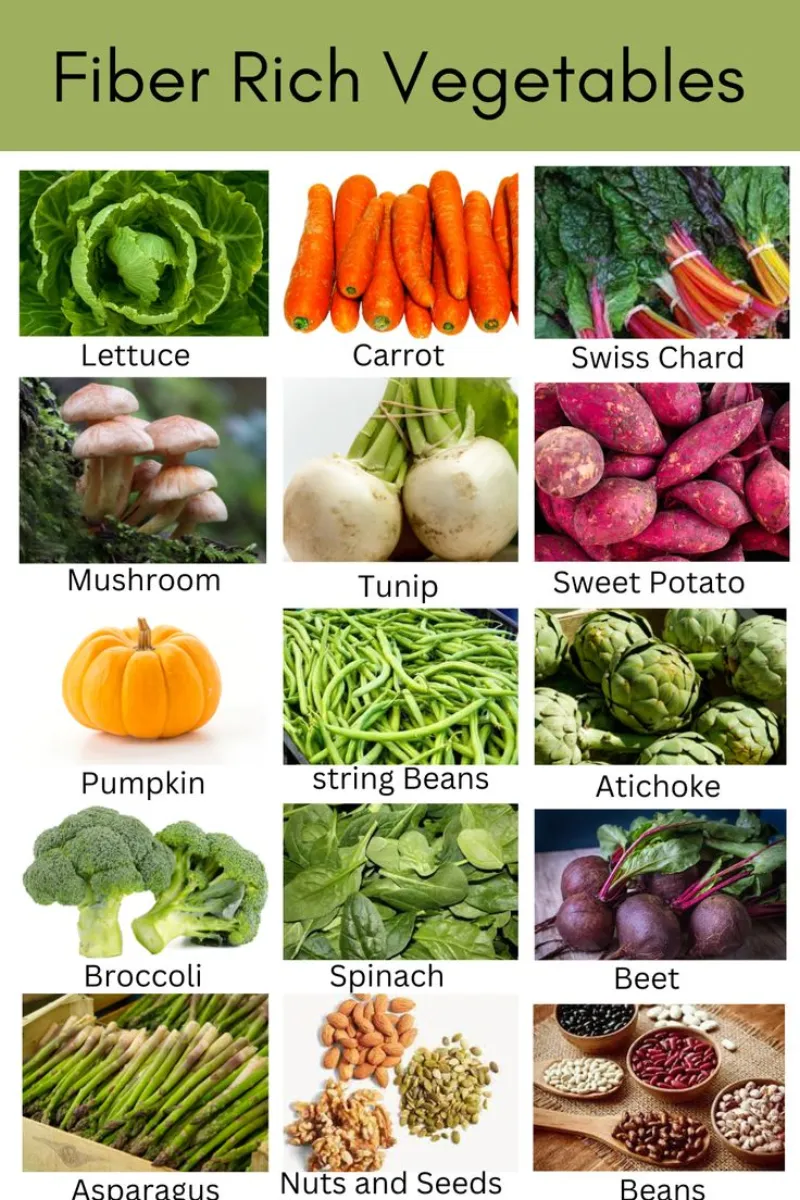
Vegetables — Broccoli, Brussels sprouts, artichokes (4-10g per cup)
Fruits — Raspberries, pears, apples with skin (4-8g per serving)
Nuts and seeds — Chia seeds, flaxseeds, almonds (3-10g per ounce)
How to Increase Fibre Safely
Increasing fibre too quickly can cause bloating, gas, and discomfort. Follow these guidelines:
- Increase by 5 grams per week
- Drink plenty of water (fibre needs fluid to work properly)
- Spread fibre intake throughout the day
- Choose whole foods over supplements when possible
- If you have IBS, work with a practitioner to identify which fibres you tolerate
When Fibre Causes Problems
For some people, particularly those with IBS or SIBO, certain fibres can worsen symptoms such as bloating. This doesn't mean you should avoid fibre entirely, but rather:
- Identify which types of fibre you tolerate
- Address underlying gut issues first
- Gradually reintroduce fibres as gut health improves
- Work with a practitioner to create a personalised approach
The Bottom Line
Fibre is fundamental to gut health, yet most people don't get enough. By gradually increasing your intake of diverse fibre sources, you can support a thriving gut microbiome, improve digestive function, and enhance overall health. If you're struggling to tolerate fibre or want guidance on optimising your intake, working with a gut health specialist can help you find the right approach for your unique situation. Pairing fibre with fermented foods can further enhance the benefits for your microbiome.